Association Communications
In 2025, the association’s media relations work was characterised by a clear focus on politically relevant issues surrounding the German federal elections, as well as key future fields of the Internet industry such as artificial intelligence and digital infrastructure. The strategic approach of “quality over quantity” once again proved its worth: in 2025, the quality of reporting was significantly improved, while overall reach continued to expand. As a result, the proportion of publications in leading media outlets rose markedly to 21 per cent, reaching the highest figure recorded in recent years.
A key focus in 2025 was the “eco Wahl digital 2025” campaign, through which the eco Association clearly positioned itself ahead of the German federal elections. At its core were a digital policy agenda with ten core demands and an analysis of the political parties’ election manifestos. The campaign was supported by a wide range of communication measures, including podcast episodes, social media video formats, and several events such as the German “Netzpolitischer Parteiencheck” (“Internet Policy Party Check”) and the “Wahl digital 2025” format. The swift implementation of the campaign following the premature collapse of the German federal government’s term underscored the responsiveness of the association’s communications.
Another key focus was on study- and data-driven communication. Particularly noteworthy was the publication of the study “The Internet industry in Germany 2025–2030”, produced jointly with Arthur D. Little, whose conception, marketing and communications support were substantially driven by the association’s communications team. The study achieved substantial media resonance, generated more than 400 media clippings as well as several reports by the German Press Agency (dpa), thereby strengthening the association’s positioning as a leading voice of the Internet economy.
Digital infrastructure also remained one of the dominant themes in media coverage. Significant media reach was achieved, particularly within the framework of the Alliance for the Strengthening of Digital Infrastructures in Germany. In 2025 alone, the Alliance generated almost 800 media clippings, thereby contributing significantly to the visibility of the economic importance of digital infrastructure for Germany as a business location.
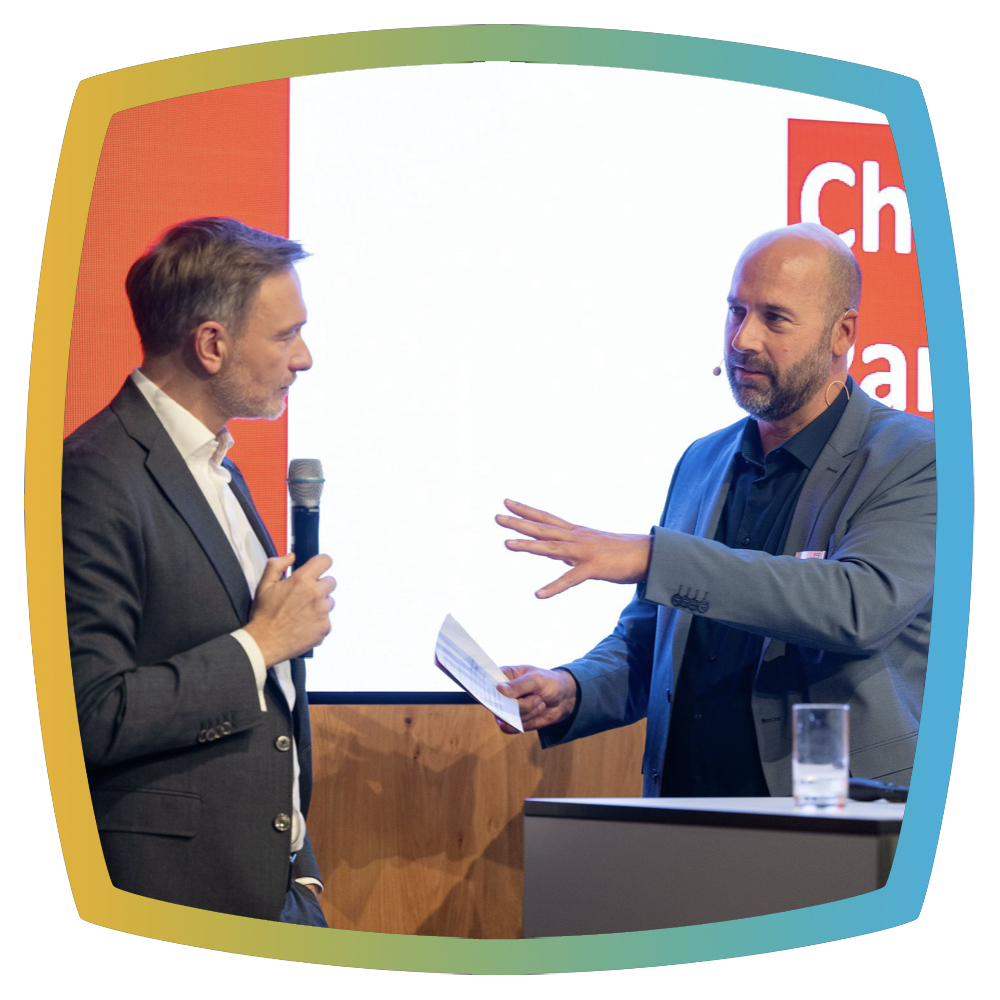
In the field of artificial intelligence, the successful collaboration with Microsoft continued as part of the German-language “AI Future Tech” campaign. The second phase of the campaign included, among other things, a dedicated campaign website, several video reports, podcast formats and the “AI Future Tech Summit” in Berlin. The aim remained to highlight concrete application examples and to underline the importance of AI for Germany’s competitiveness as a business location.
In addition to traditional media relations, social media communication continued to gain in importance. On LinkedIn in particular, strong growth persisted: follower numbers increased by over 26 per cent compared with the previous year, while impressions rose by around 25 per cent. LinkedIn thus confirmed its role as the most important channel for the association’s communications. In terms of content, the focus remained on providing authentic coverage of events, the presentation of policy positions, and the amplification of industry voices.
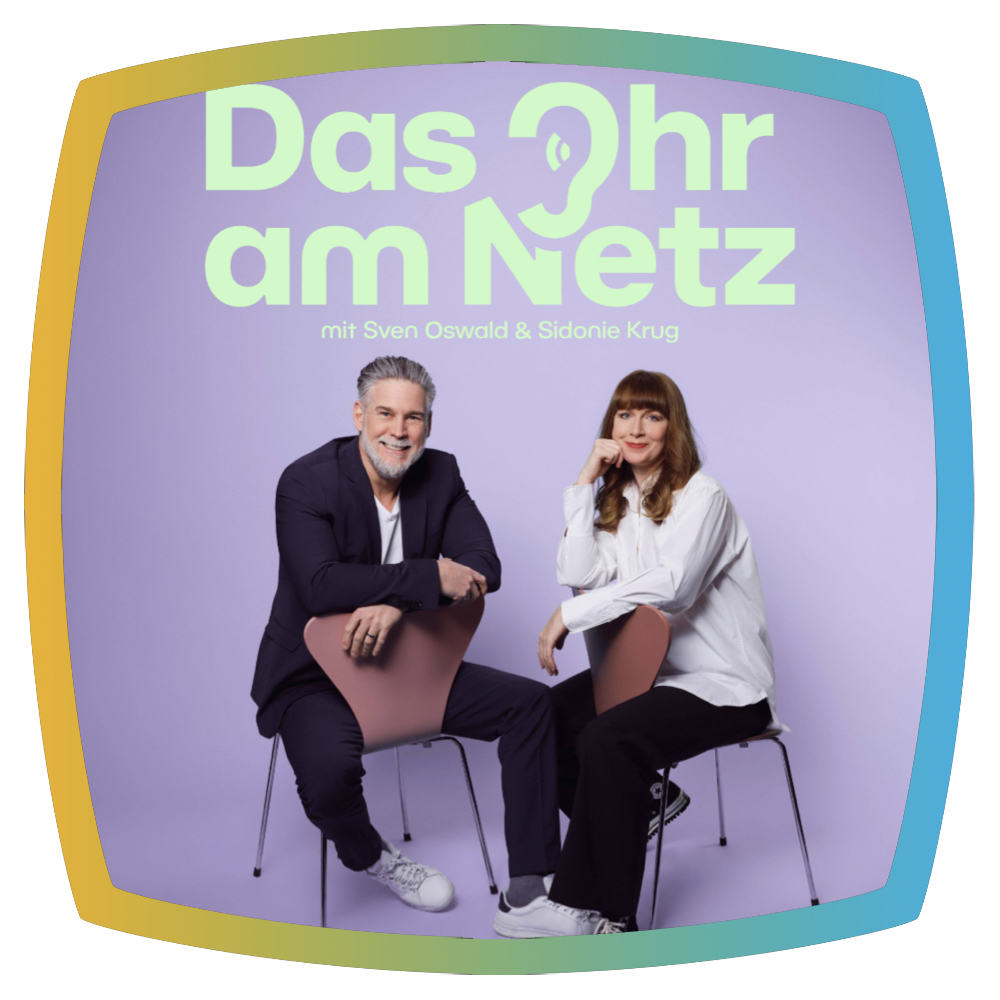
The eco podcast “Das Ohr am Netz” (“An Ear to the Internet”) also continued to develop very successfully in 2025. High-profile guests from politics, business and civil society, as well as the close involvement of member companies, established the podcast as a key communication tool and a valuable benefit for members. At the same time, the format is increasingly establishing itself as an integral component of sponsorship packages and as an important driver of member acquisition.
Another milestone was the relaunch of the newsletter communications: the previous formats “eco weekly” and “eco politik digital” were successfully merged into the new “eco update” format. With a clear structure, new content categories and a fortnightly publication schedule, the appeal of the format was enhanced whilst simultaneously making internal editorial work more efficient.
In addition, the exchange with the communications managers of member companies continued within the framework of the eco PR Briefing format. Two digital events focused on topics such as employer branding and the influence of artificial intelligence on PR work. The format continues to make an important contribution to networking, knowledge transfer and the identification of shared communications approaches within the association.
Overall, 2025 demonstrated the successful further development of the association’s communications work, characterised by stronger strategic focus, high thematic relevance, and consistent integration across multiple communications channels.