

Networks Competence Group
In 2025, the Networks Competence Group exchanged ideas at three in-person events in Frankfurt, as well as through various virtual webinar formats focused on different key topics.
To kick off the Competence Group’s work, Dr Falk von Bornstaedt, Head of the eco Networks Competence Group, invited participants to a practical German-language workshop entitled “IPv6 – How It Works” in Berlin on 13 March. The host, IPB – Internet Provider Berlin, set the tone for the technical exchange the evening before with the traditional “Beering” networking event. At the beginning of the workshop, von Bornstaedt presented the results of the latest IPv6 adoption survey, which served as a solid basis for the subsequent discussions on concrete migration strategies and solutions.
The expert presentations made clear that permanently running IPv4 and IPv6 (“Dual Stack”) in parallel is not a sustainable option due to the high complexity and costs involved. Experts such as Wilhelm Boeddinghaus emphasised that IPv6, through modern approaches such as microsegmentation, is not only easier to manage but also more efficient to secure. As the use of IPv4 addresses – for example, in cloud environments – is increasingly associated with costs, and a complete transition is becoming indispensable from a business perspective as well.
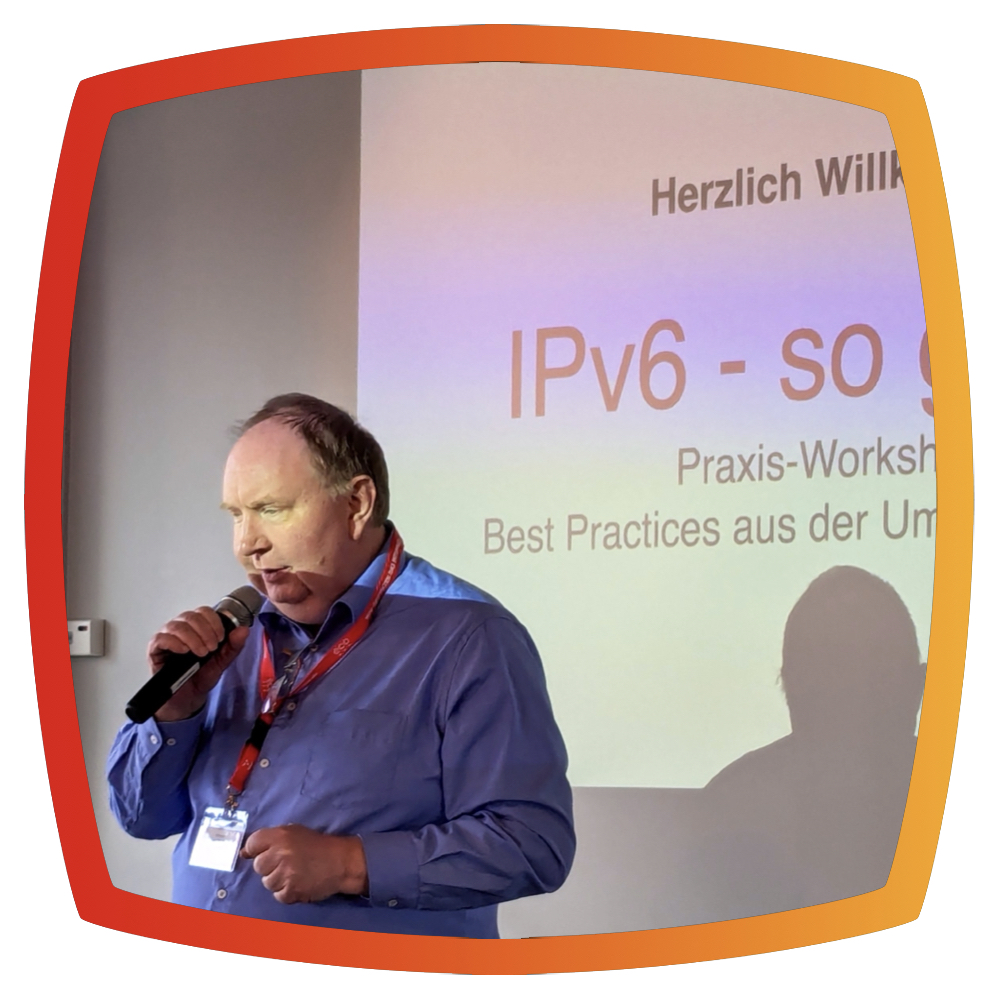
Case study reports from companies such as EWE TEL and major insurance providers offered participants valuable “lessons learned” for operational implementation within their own organisations. In in-depth workshops, the experts also developed concrete approaches to migration as well as strategies for robust IPv6 security. A guided tour of the host, IPB’s data centre additionally offered the opportunity to view modern infrastructure requirements on site.
The event also addressed the growing importance of sustainability considerations in network operations and their impact on digital transformation. The discussions underlined the need to establish IPv6 as the future standard in order to secure the innovative strength and competitiveness of the digital landscape in the long term. In conclusion, it was emphasised that, in addition to technical planning, the targeted training and upskilling of staff is above all the key to a successful protocol transition.
On 9 April, the eco Competence Groups for KRITIS (critical infrastructures) and Networks met at the DE-CIX Meeting Centre in Frankfurt to discuss the strategic and operational implementation of the NIS2 Directive. The technical exchange focused on practical best practices from sectors such as telecommunications and the energy industry, as well as regulatory challenges in the context of supply chain security and DORA. The programme was complemented by in-depth insights into the legal framework and the secure integration of AI into critical infrastructures. The event underscored the importance of cross-industry knowledge exchange in order to sustainably strengthen the cyber resilience of digital ecosystems.
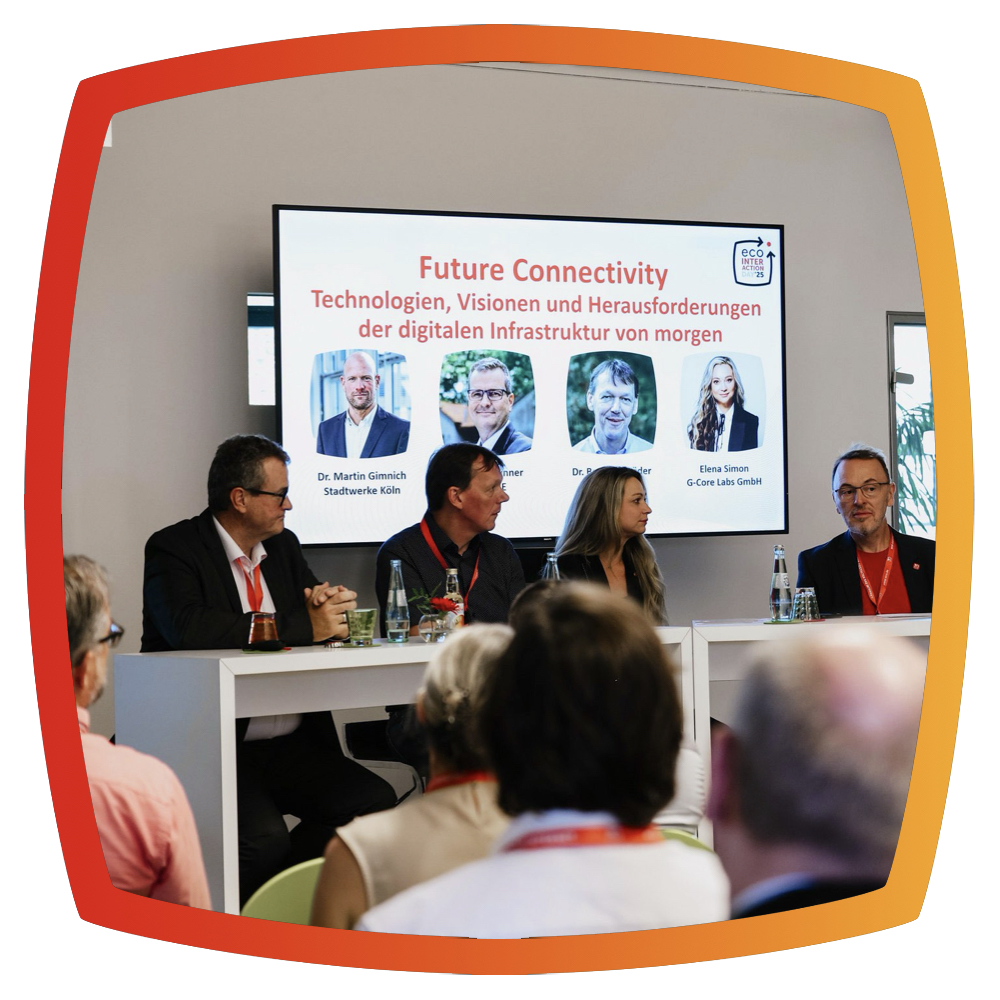
As part of the eco Interaction Day on 28 August, the Networks Competence Group discussed the topic “Future Connectivity – Technologies, Visions and Challenges of Tomorrow’s Digital Infrastructure”. The experts Wolfram Rinner (GasLINE), Elena Simon (G-Core Labs), Dr Martin Gimnich (Stadtwerke Köln) and Dr Bernd Schröder (brown-iposs) highlighted the strategic potential of 5G, fibre optics and edge computing for the economy. At the heart of the debate were innovative approaches such as the “dark fibre” strategy to meet growing data volumes, as well as the shift from pure data transport towards intelligent applications for the smart city.
Particular attention was given to bridging the digital divide through public-private partnerships and the need for interoperable systems to enable seamless connectivity across various infrastructure services. The panel also discussed the critical role of cybersecurity and sustainability as indispensable cornerstones of resilient digital public services. Overall, the event impressively underscored the vision of a connected future in which technological synergies sustainably transform everyday life and economic competitiveness.
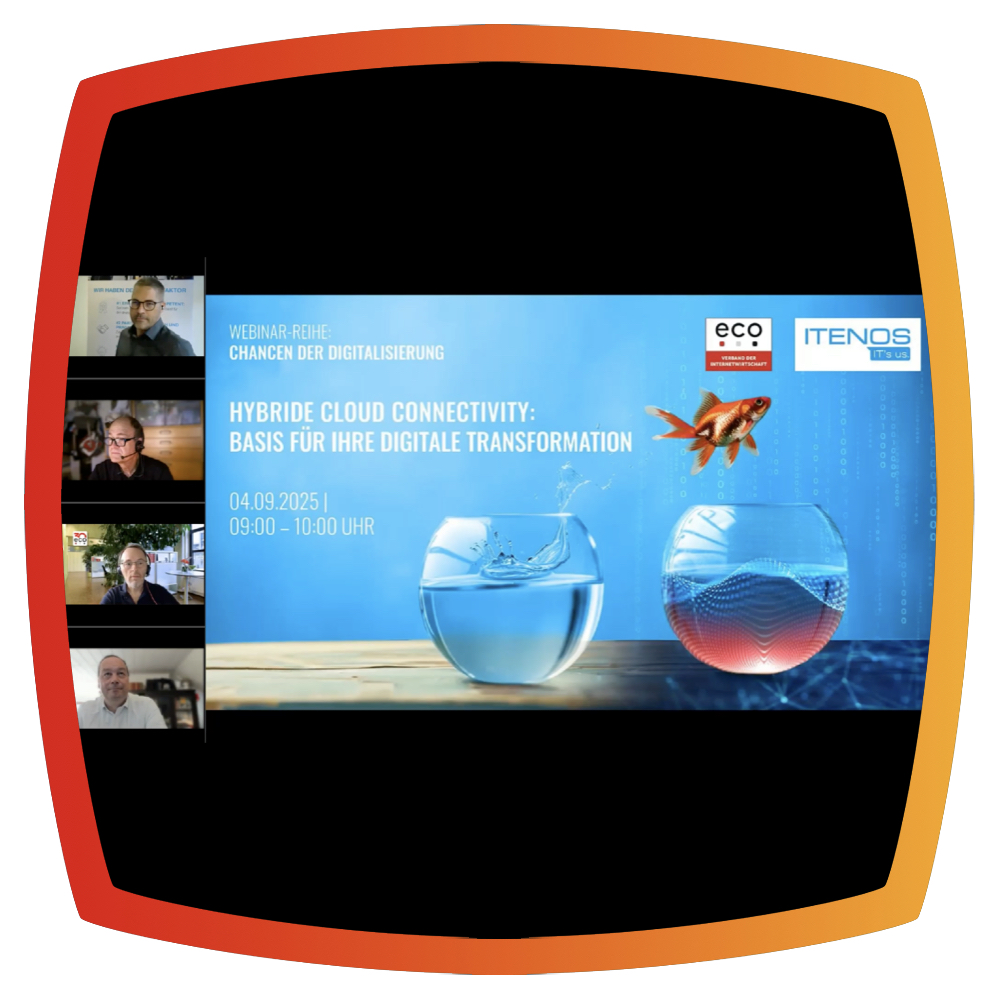
As part of the webinar “Hybrid Cloud Connectivity” on 4 September, Dr Falk von Bornstaedt and other network experts discussed key aspects of global connectivity strategies. Particular focus was placed on the specific requirements of small and medium-sized companies (SMEs), aiming to help them achieve greater flexibility and scalability in their digital transformation through hybrid cloud scenarios.
The experts explained the importance of efficient orchestration in ensuring seamless interaction between the various cloud components. They also highlighted the relevance of resilient connectivity as an indispensable foundation for stable and fail-safe systems. Another key focus of the discussion was the analysis of service level agreements (SLAs) offered by major hyperscalers and their direct influence on operational networking requirements.
Through practical solution approaches, participants gained valuable insights into how they can design their cloud infrastructure to be robust, regardless of specific workloads. The webinar thus demonstrated that reliable, strategically planned connectivity is the key factor to the success of hybrid cloud models.
At the Connected Germany conference on 18 and 19 November, eco provided key insights into the future of digital infrastructure. Dr Falk von Bornstaedt took part both as a panellist and as a keynote speaker on the topic of digital sovereignty in Germany.
In the panel on digital sovereignty, he discussed with industry experts the structural prerequisites for a resilient, independent and innovation-friendly digital ecosystem. Particular emphasis was placed on the role of a broadly positioned and securely operated network infrastructure as the foundation for economic resilience.
In his keynote, Dr Falk von Bornstaedt expanded on this perspective and demonstrated how digital sovereignty can evolve from an abstract guiding principle into a concrete field of action. He also emphasised that sovereignty is not defined by technology alone, but equally requires strategic partnerships, open standards and a credible approach to security.

